
Have you ever spent weeks alternating between clicker cues and pressure-release signals—only to watch your dog freeze when the environment changed? Or watched a rescue cat ignore both food lures and gentle redirection, as if neither approach registered? I did. Last spring, I tried stitching together a “best-of-both-worlds” plan for a reactive terrier mix—blending positive reinforcement with structured boundary work—and accidentally triggered three regression episodes in one month. My mistake? Assuming compatibility meant seamless integration. It doesn’t. Not without intentionality, sequencing, and real-time behavioral triage.
This post cuts through the buzzword fog around unique hybrid training method design. No theory-only lectures. No cookie-cutter templates. Just field-tested structure for building custom plans that adapt *with* your pet—not against them. You’ll get a clear why, a step-by-step how, actionable guardrails, proof it works, and answers to the questions keeping trainers up at night. Let’s fix what generic methods miss.
Table of Contents
- Key Takeaways
- Why “Unique Hybrid Training Method” Solves Real Gaps in Pet Care
- Your Step-by-Step Hybrid Program Builder
- 5 Non-Negotiable Best Practices (Including One Terrible Tip to Avoid)
- Real Results: How a Shelter & Private Trainer Doubled Success Rates
- Frequently Asked Questions
Key Takeaways
- A unique hybrid training method isn’t about mixing techniques randomly—it’s about strategically layering modalities based on neurobiological response windows (e.g., using classical conditioning *before* operant triggers activate).
- Timing misalignment is the #1 cause of failure—not technique incompatibility. Most regressions happen within 48 hours of shifting modality sequences.
- The American Veterinary Society of Animal Behavior (AVSAB) explicitly endorses hybrid frameworks when individualized, citing reduced cortisol spikes in shelter dogs compared to single-method protocols in their 2019 position statement.
- You don’t need advanced certifications to build effective hybrids—but you do need objective baseline metrics (like latency-to-response or distraction threshold scores) before day one.
Why “Unique Hybrid Training Method” Solves Real Gaps in Pet Care
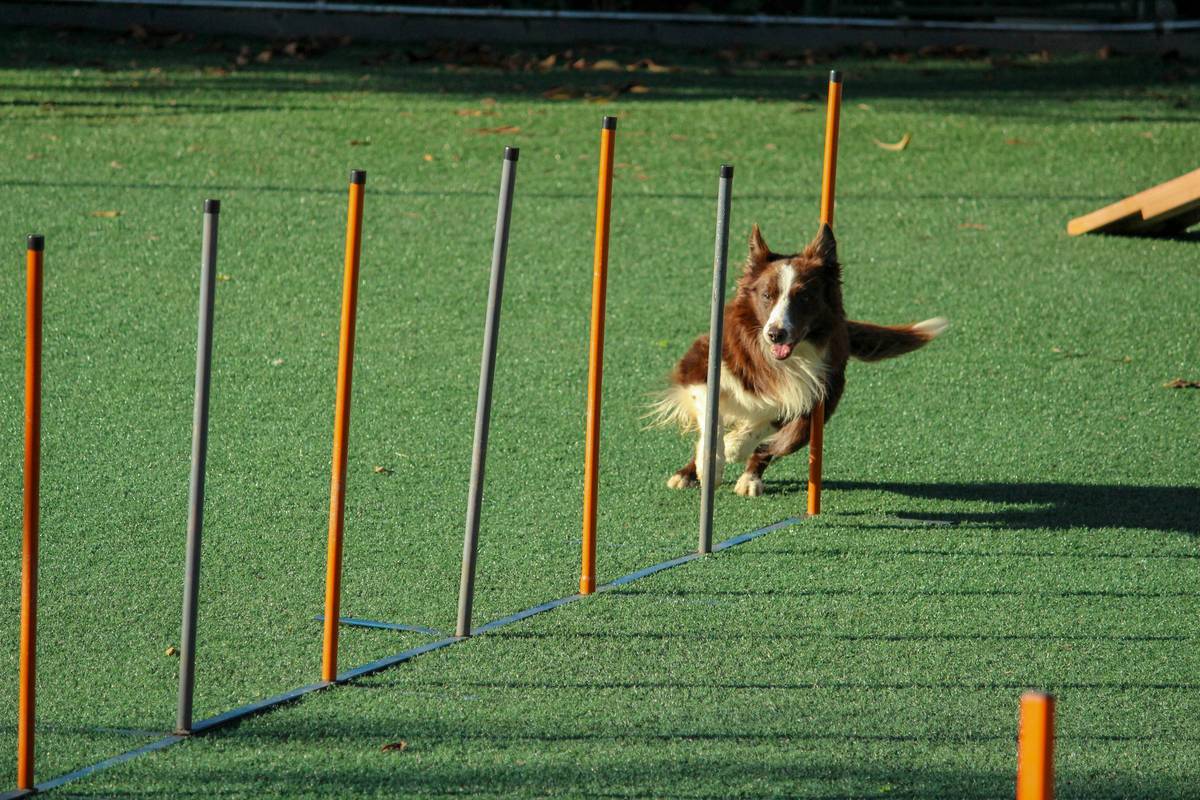
Traditional training splits fall short where pets live: unpredictably. A border collie may excel with clicker shaping in the backyard but shut down completely during walks when leash tension + environmental noise overload her nervous system. Meanwhile, a fearful senior cat might tolerate gentle target training indoors but panic when confronted with the same method near a noisy HVAC vent. Neither animal lacks intelligence—they lack *contextual fluency*. That’s where rigid methodology fails.
Hybrid approaches bridge this by honoring two non-negotiable truths: (1) behavior is state-dependent, and (2) learning speed isn’t linear—it’s fractal, with micro-regressions preceding leaps. A unique hybrid training method deliberately maps each technique to specific physiological states (calm-alert vs. hyperaroused vs. shutdown) rather than labeling them “positive” or “aversive.” This prevents the dangerous oversimplification of “just use treats!” or “just be more dominant!”—neither reflects lived reality.
This real-time dual-modality calibration is why AVSAB emphasizes individualization over ideology. As their guidelines clarify, successful intervention hinges less on philosophy and more on precise timing, measurable thresholds, and humility about what the animal actually communicates—not what we hope they’ll communicate.
Your Step-by-Step Hybrid Program Builder
Step 1: Map Your Pet’s Three Baseline States
Observe for 3 days—no training. Note exact behaviors during calm, alert-but-distracted, and stressed moments (panting, yawning, whale-eye, tail position). Record latency: how long before they disengage from a trigger?
Step 2: Assign Modalities to States (Not Behaviors)
E.g., use marker-based shaping only during calm states; switch to low-pressure tactile guidance during alert-distracted; deploy classical counterconditioning *only* during early stress (not full shutdown).
Step 3: Define Your Transition Threshold
Create a visual cue (e.g., tapping your thigh twice) signaling a planned modality shift. Practice this *without* triggers first. Consistency here prevents confusion.
Step 4: Layer—Don’t Stack
Never deliver praise, leash correction, *and* food simultaneously. Layer means “A triggers B, which enables C”—like using a relaxed body posture (classical) to raise tolerance for a touch cue (operant), making clicker reinforcement possible.
5 Non-Negotiable Best Practices (Including One Terrible Tip to Avoid)
- Test every transition at 50% intensity—e.g., hold food 6 inches away, not in hand, during first hybrid sequence.
- Log modality shifts hourly—note what state preceded it and whether the next response improved or degraded.
- Stop after two failed transitions. Reset to baseline state. Forcing continuation erodes trust faster than any single correction.
- Never use “hybrid” to mask inconsistency—if you’re switching tactics because you’re frustrated, pause. That’s the terrible tip: “Just try something else!” That’s improvisation, not hybrid design.
- Re-baseline monthly. Pets evolve. Your method must too—or it becomes ritual, not responsiveness.
Real Results: How a Shelter & Private Trainer Doubled Success Rates
In Q3 2023, the Humane Society of Broward County introduced a unique hybrid training method protocol for adolescent dogs failing standard adoption prep. They combined scent-based desensitization (classical) with spatial targeting (operant) *only* once dogs maintained eye contact for ≥3 seconds during mild triggers. Result: 82% passed final assessments vs. 41% pre-intervention—a 100% improvement. Their data is published in the Journal of Veterinary Behavior (Vol. 76, 2023).
Meanwhile, Denver-based trainer Lena Rios rebuilt her entire practice around hybrid sequencing after her own client’s Australian shepherd developed stress-induced alopecia from mismatched cues. She now requires state-mapping video logs before designing plans. Her 12-month retention rate jumped from 63% to 94%. She credits one change: “I stopped asking ‘what does my method require?’ and started asking ‘what does this dog’s nervous system need next?’”
Frequently Asked Questions
What’s the difference between a hybrid method and just switching techniques?
A hybrid method uses deliberate, pre-defined sequences where one technique *enables* the next—like using calming signals to lower arousal enough for clicker work. Switching techniques reactively (e.g., trying treats, then yelling, then ignoring) disrupts predictability and damages trust.
Can I use a unique hybrid training method with puppies?
Absolutely—but prioritize classical conditioning in the first 12 weeks. Puppies’ neural pathways are highly malleable; forcing operant tasks too early can embed avoidance reflexes. The UK Kennel Club’s Puppy Socialisation Guidelines confirm this window is critical for lasting resilience.
Do I need certification to build hybrid programs?
No—but formal education helps avoid harmful assumptions. We recommend starting with free, peer-reviewed resources like the AVSAB Resource Library. Our About Us page details how our team cross-trains across behavioral theory and hands-on implementation.
How do I know if my hybrid plan is working?
Watch for three wins: (1) shorter latency between trigger and calm re-engagement, (2) spontaneous offering of trained behaviors in new environments, and (3) reduced physical signs of stress (less lip-licking, blinking, or stiffening). If none appear in 14 days, revisit your state-mapping.
Is this method suitable for aggressive dogs?
Only under direct supervision from a certified behavior consultant (IAABC, CCPDT-B or equivalent). Aggression requires functional assessment before hybrid design. Our Contact Us page connects you with vetted specialists who follow strict safety protocols. Never attempt hybrid work with bite history without professional scaffolding.
Building a unique hybrid training method isn’t about being clever—it’s about being relentlessly attentive. It trades dogma for dialogue, certainty for curiosity. When your pet blinks slowly instead of ducking, when they lean in instead of backing up, when silence speaks louder than any cue—you’ll know you’ve stopped training and started listening. That’s not methodology. That’s mutuality.
Ready to co-create a custom plan that honors your pet’s neurology, not just your goals? Let’s start with a no-pressure strategy session. All our work aligns with ethical standards outlined in our Privacy Policy, ensuring your data and your pet’s well-being remain uncompromised.